When we think of the lavish, powder-dusted era of the 1970s and 80s—a time when disco balls shimmered over cocaine lines and private jets were the ultimate status symbol—certain names echo through true crime history. One name that often gets overshadowed by the notorious men of that era is julianna farrait. She was not merely a footnote in a police blotter; she was a woman of immense complexity, caught between the intoxicating allure of extreme wealth and the brutal hammer of federal justice.
To understand julianna farrait is to look into a mirror reflecting both the glamour and the grotesque excess of the Medellín Cartel’s golden age. While most of the world focused on her infamous husband, George Jung, the woman standing beside him had her own fiery spirit, her own ambitions, and ultimately, her own dramatic downfall. This article dives deep into the background, the rise, the catastrophic arrest, and the lasting legacy of julianna farrait, a figure whose life reads like a Shakespearean tragedy set to a Miami Vice soundtrack.
The Early Background of Julianna Farrait: A Woman of Mystery
Before the Rolexes, the fur coats, and the DEA surveillance photos, julianna farrait was simply a young woman navigating life. Unlike the common narrative that paints cartel associates as naive or opportunistic, julianna farrait was known for her striking intelligence and fierce loyalty. Born in Puerto Rico, she possessed a cultural fire that made her stand out in the predominantly male-driven world of the cocaine trade.
Long before she met George Jung, julianna farrait was carving out her own identity. Her background is notably guarded; she wasn’t a flashy party girl seeking fame. Instead, she was pragmatic. Those who knew her described a woman who could command a room without raising her voice. This period of her life is crucial to understanding how she later navigated the chaos of the cartel lifestyle. She wasn’t swept away by the tide of narcotics; she walked into it with her eyes wide open, believing she could control the uncontrollable.
The Fateful Union: Julianna Farrait and George Jung
The most pivotal chapter in the story of julianna farrait begins when she crossed paths with Boston George. At the time, George Jung was transitioning from a small-time marijuana smuggler into a cocaine kingpin thanks to his partnership with Pablo Escobar. When George met julianna farrait, it was an instant collision of two powerful personalities.
Their relationship was volatile, passionate, and intensely symbiotic. julianna farrait became more than just a wife; she became a partner in crime. While George handled the logistics of flying planeloads of cocaine into the United States, julianna farrait managed the domestic front—a front that involved laundering millions of dollars in cash. She was the keeper of the keys to a lifestyle that involved buying brand new Mercedes-Benzes for cash and tipping waitresses with $100 bills.
For a time, julianna farrait lived the dream that the cartel sold to the world. She wore designer gowns to exclusive clubs in Manhattan and Miami. She hosted parties that lasted for days. Yet, underneath the silk sheets and champagne towers, the foundation was cracking. The high stakes of the drug trade meant that paranoia was a constant houseguest. julianna farrait knew that every knock on the door could be the police or a rival sicario.
The Rise to Notoriety and The Infamous Arrest
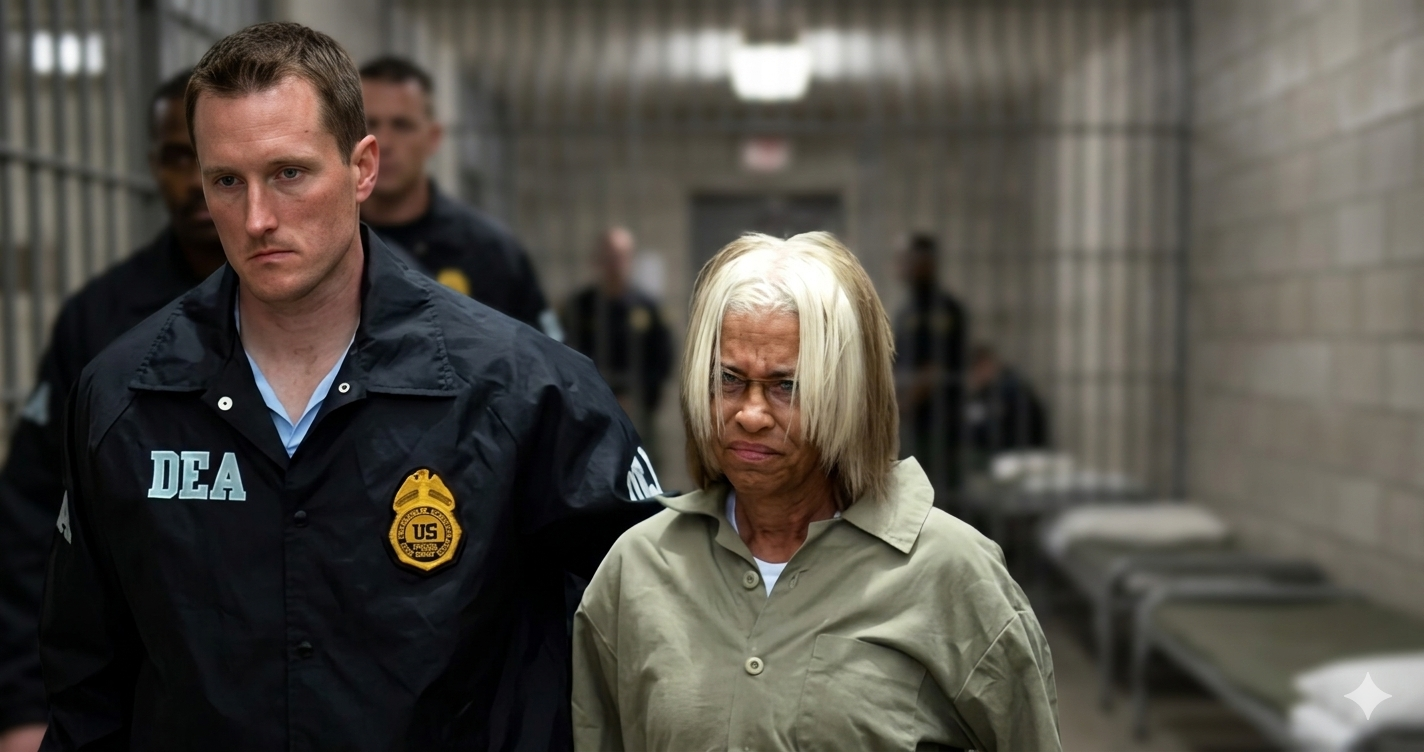
No discussion of julianna farrait is complete without the gripping, almost cinematic story of her arrest. By the mid-1980s, the DEA had closed in on George Jung. They knew about the planes, the money, and the connections to the Medellín Cartel. However, they also had their eyes on julianna farrait.
The turning point came during a frantic attempt to dispose of evidence. As federal agents stormed their home in a quiet Massachusetts neighborhood, chaos erupted. While George Jung tried to flush kilos of cocaine down the toilet (famously clogging the plumbing), julianna farrait made a split-second decision that would define her legal fate. According to court testimonies, she grabbed a stack of money and attempted to flee.
When the agents apprehended julianna farrait, they found her hiding in a closet with a large amount of cash and jewelry. This moment solidified her as an active participant rather than a passive bystander. The narrative shifted from “the drug lord’s wife” to “co-conspirator.” julianna farrait was charged and subsequently sentenced to a lengthy prison term. It was a brutal fall from grace. One day she was vacationing on yachts in the Caribbean; the next, she was wearing an orange jumpsuit.
Life Behind Bars: The Downfall of Julianna Farrait
Prison transformed julianna farrait from a tabloid headline into a cautionary tale. The sentence handed down to her was severe, reflecting the government’s “War on Drugs” mentality of the era. She was separated from her daughter, separated from the man she loved (who was also incarcerated), and stripped of every material possession she had accumulated.
During her incarceration, julianna farrait experienced the brutal reality of the American prison system. This period was a stark contrast to the “Cocaine Cowboys” documentary footage that made her look like a villain. In reality, julianna farrait was a mother fighting to survive. She watched from a cell as her former friends turned informants. She watched as the world moved on, forgetting the glamour and remembering only the greed.
The psychological toll on julianna farrait was immense. She had time to reflect on the choices that led her there. Was it love? Was it greed? Or was it simply the thrill of being close to the sun? The silence of her cell forced julianna farrait to confront these questions daily. Unlike the male kingpins who often wrote memoirs from prison, julianna farrait remained largely silent, adding to her enigmatic aura.
The Aftermath and The Fatal Love
After serving her time, julianna farrait emerged into a world that had changed dramatically. The crack epidemic had ravaged the inner cities, and the public sentiment towards the cartels had turned from morbid curiosity to outright hatred. She attempted to rebuild her life, but the shadow of her past loomed large.
The tragic conclusion to her story with George Jung is perhaps the most heartbreaking aspect of her legacy. Upon his release from prison years later, George Jung did not return to her. Instead, he left julianna farrait for another woman. This betrayal cut deeper than any prison sentence. She had stood by him, laundered his money, raised their child under the threat of violence, and gone to jail for him. To be discarded after sacrificing her freedom broke something inside julianna farrait.
This abandonment had devastating consequences. The story of julianna farrait ends in tragedy, as she reportedly died not long after George left her. While the exact circumstances of her death are shrouded in the same mystery as her early life, it is widely accepted that the heartbreak and the long-term stress of the cartel lifestyle contributed to her untimely demise. She became a ghost in the machine of the drug war—a victim of her own choices, but also a victim of a system and a man who promised her the world and gave her a prison ID.
The Cultural Impact of Julianna Farrait
Why are we still talking about julianna farrait today? Because her story is the perfect storm of true crime fascination. She represents the “cartel wife” archetype that Hollywood loves to dramatize. In pop culture, julianna farrait has been immortalized in films like Blow (where she was portrayed as the character Mirtha). This portrayal, while dramatized, introduced a new generation to the real-life woman behind the myth.
The life of julianna farrait serves as a necessary counter-narrative to the glorification of drug lords. For every flashy Instagram post about Pablo Escobar’s hippos, there is the tragic ghost of julianna farrait—a woman who paid for the sins of her husband with her own youth and ultimately her life.
She is a reminder that the drug trade is not a victimless crime. The victims are not just the addicts on the street; they are the children left behind, the families torn apart, and the women like julianna farrait who get swept into the whirlwind, believing they can handle the storm. Her story resonates because it is deeply human. It is about the desire for security, the intoxication of love, and the devastating consequences of trusting the wrong person with your future.
Lessons from the Life of Julianna Farrait
Analyzing the trajectory of julianna farrait offers valuable insights into the psychology of crime partnerships. She was not a naive girl; she was an intelligent woman who made a series of catastrophic choices. The primary lesson from julianna farrait is the illusion of control. She believed she could manage the money, manage the heat, and manage George Jung. But the cocaine business is a beast that consumes everyone around it.
Furthermore, the legal fate of julianna farrait highlights how the justice system treats female accomplices. Often, they are charged just as harshly as the masterminds, if not more so, as a deterrent. Her sentence was a message to every woman dating a drug dealer: you are not safe. You are not immune. julianna farrait became the poster child for that brutal warning.
The Complicated Legacy
Today, looking back at the archives, julianna farrait exists in a strange purgatory. She is neither a hero nor a pure villain. She is a tragic figure. Her legacy is complicated by the fact that while she participated in an industry that destroyed millions of lives, she herself was destroyed by it. She loved a man who, in the end, did not love her back enough to stay loyal after she served his prison time.
For true crime enthusiasts, julianna farrait is the “what if” question. What if she had walked away the first time she saw the guns? What if she had taken her daughter and fled to a quiet island far from the snow? But she didn’t. julianna farrait stayed, and in staying, she lost everything.
Her story forces us to look beyond the movie screens. When the cameras stop rolling and the documentaries end, the real pain remains. julianna farrait lived a life of extreme highs and crushing lows. She wore diamonds and she wore handcuffs. She dined in five-star restaurants and she ate prison slop. That duality is what makes her one of the most fascinating, albeit sorrowful, figures of the American drug epidemic.
Conclusion
In the end, the name julianna farrait should not be forgotten as just a side character in George Jung’s biography. She was the architect of her own doom, yes, but she was also a woman who loved too fiercely and trusted too deeply. The cocaine trade is often depicted as a male-dominated war zone, but women like julianna farrait were the secret keepers, the money hiders, and the ones left to pick up the pieces when the raids were over.
Her life serves as a powerful, chilling moral fable. The pursuit of easy money and reckless love leads only to a dead end—or worse, a prison cell. As we close the chapter on the wild west days of the 1980s cartels, the ghost of julianna farrait lingers. She is a reminder that for every kingpin who gets a movie deal, there is a woman who lost her freedom, her family, and her future. Julianna farrait was more than a headline; she was a soul caught in the crossfire of her own ambition. And perhaps, that is the most tragic story of all.
Read more: The Enigma of Laurie Holmond: Unraveling the Private Life Behind the Headlines